
semi circle led mirror
Understanding Low Emissivity Glazing The Key to Energy Efficiency In recent years, the construction and design industries have increasingly focused on energy efficiency, leading to innovative solutions that enhance the performance of buildings. One such advancement is low emissivity (Low-E) glazing, which plays a critical role in improving thermal insulation and reducing energy consumption in residential and commercial structures. Low-E glazing refers to window glass that has been treated with a thin, transparent coating that reflects heat while still allowing light to pass through. This coating is typically made from materials like silver, which possess unique properties that enable them to selectively reflect infrared light. By doing so, Low-E glazing can significantly lower heating and cooling costs, creating a more comfortable indoor environment. How Low-E Glazing Works The primary function of Low-E glazing is to control heat transfer between the interior and the exterior of a building. It works by reflecting radiant heat back to its source. In warmer months, the coating reflects solar heat away from the building, helping to keep indoor spaces cool without over-relying on air conditioning. Conversely, in the colder months, the coating reflects interior heat back into the room, minimizing heat loss and reducing the burden on heating systems. This efficiency is particularly important in regions with extreme temperatures. According to various studies, buildings equipped with Low-E glazing can achieve significant energy savings, often ranging from 10% to 30% depending on climate and building design. Additionally, these savings contribute to lower greenhouse gas emissions, making Low-E glazing an environmentally friendly choice. Types of Low-E Glazing There are two primary types of Low-E coatings passive and solar control. Passive Low-E coatings are designed to maximize solar gain while minimizing heat loss, making them ideal for cold climates. They enhance the warmth of a space by allowing sunlight to enter, which is especially beneficial during the winter months. On the other hand, solar control Low-E glazing is designed to minimize solar heat gain. This type is more suitable for warmer climates where excessive heat can lead to increased cooling costs. By filtering out a significant portion of the sun's heat while still allowing natural light to enter, solar control Low-E coatings help maintain a comfortable indoor environment. low emissivity glazing The Benefits of Low-E Glazing 1. Energy Efficiency As mentioned, the primary benefit of Low-E glazing lies in its ability to reduce energy consumption. Homeowners and building managers can enjoy significant cost savings on heating and cooling bills. 2. Comfort By regulating indoor temperatures, Low-E glazing promotes greater occupant comfort. Reducing drafts and temperature fluctuations leads to a more stable indoor climate. 3. UV Protection Low-E coatings can block up to 99% of harmful UV radiation. This not only protects occupants but also helps preserve furnishings, flooring, and artwork from fading or damage due to prolonged sun exposure. 4. Noise Reduction While Low-E glazing primarily focuses on thermal performance, it can also contribute to noise reduction. The multi-layered glass often used in Low-E windows can help minimize sound transmission from outside, enhancing indoor tranquility. 5. Aesthetic Appeal Modern Low-E windows come in various styles and designs, ensuring that aesthetics are not sacrificed for functionality. Homeowners can enjoy the benefits of energy efficiency without compromising on the beauty of their windows. Conclusion Incorporating Low-E glazing into building designs is a smart investment for anyone looking to maximize energy efficiency and comfort. As the demand for sustainable building practices continues to rise, Low-E glazing stands out as an effective solution to create comfortable living and working spaces. With its ability to lower energy costs and improve indoor environments, Low-E glazing is undoubtedly a pivotal element in modern architecture and a crucial step towards a greener future.



Our application
-
 read more
 -
 read more
 -
 read more
 -
 read more
 -
 read more
 -
 read more
news and information
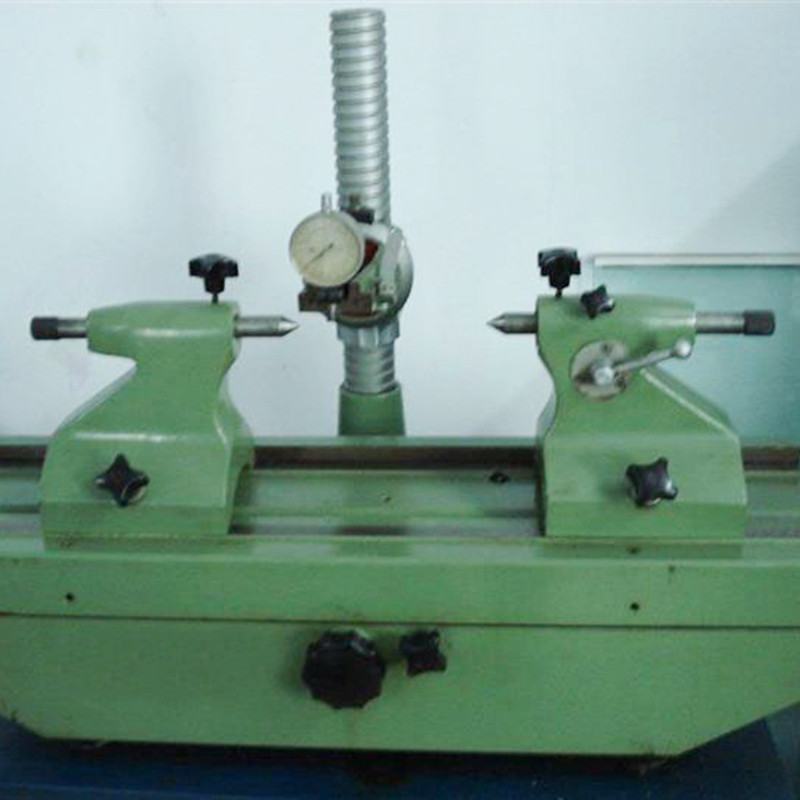
water valve types
Understanding Water Valve Types A Comprehensive Guide Water valves are critical components in plumbi
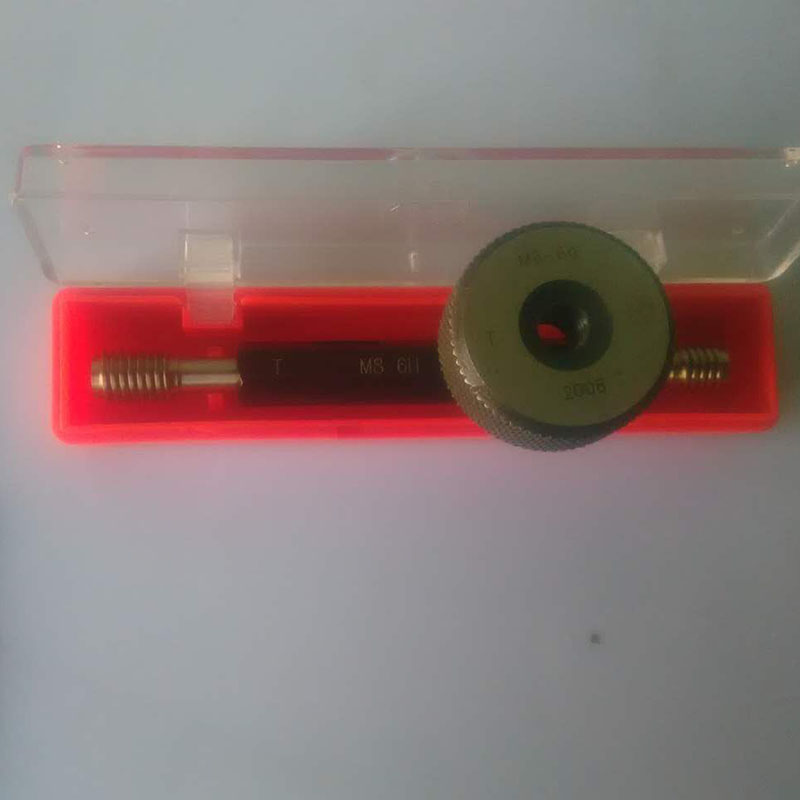
Y Type Strainer Future Innovations
The industrial landscape is continuously evolving, driven by technological advancements and the need
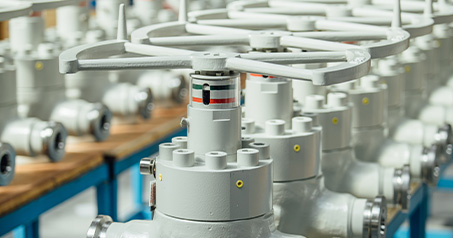
Válvula de puerta de 3 cuchillos
La válvula de compuerta de cuchilla al 3% es un componente esencial en muchos sistemas industriales